
Nigeria throws away 2.5 million tonnes of plastic a year. We are buying it.
Less than a tenth of it is effectively recycled. The rest sits in drains, gutters, rivers and roadsides, or goes up in smoke behind a compound wall. Cleaning it up is not a side benefit of this business. It is the raw material.
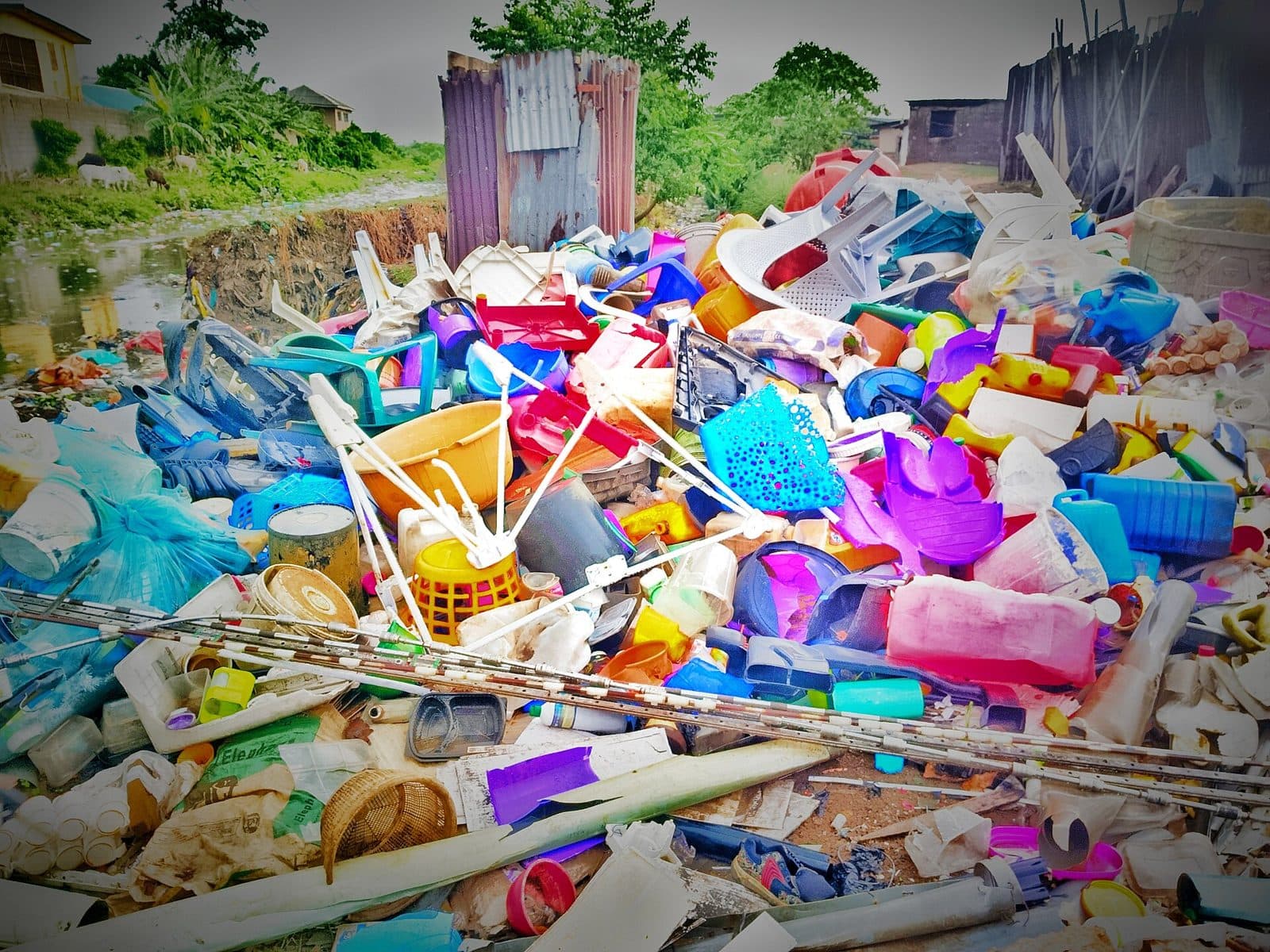
National waste and recycling figures: United Nations Development Programme Nigeria · Lagos flood loss estimate: Lagos State Environmental Protection Agency, 2023
Blocked drains, flooded streets
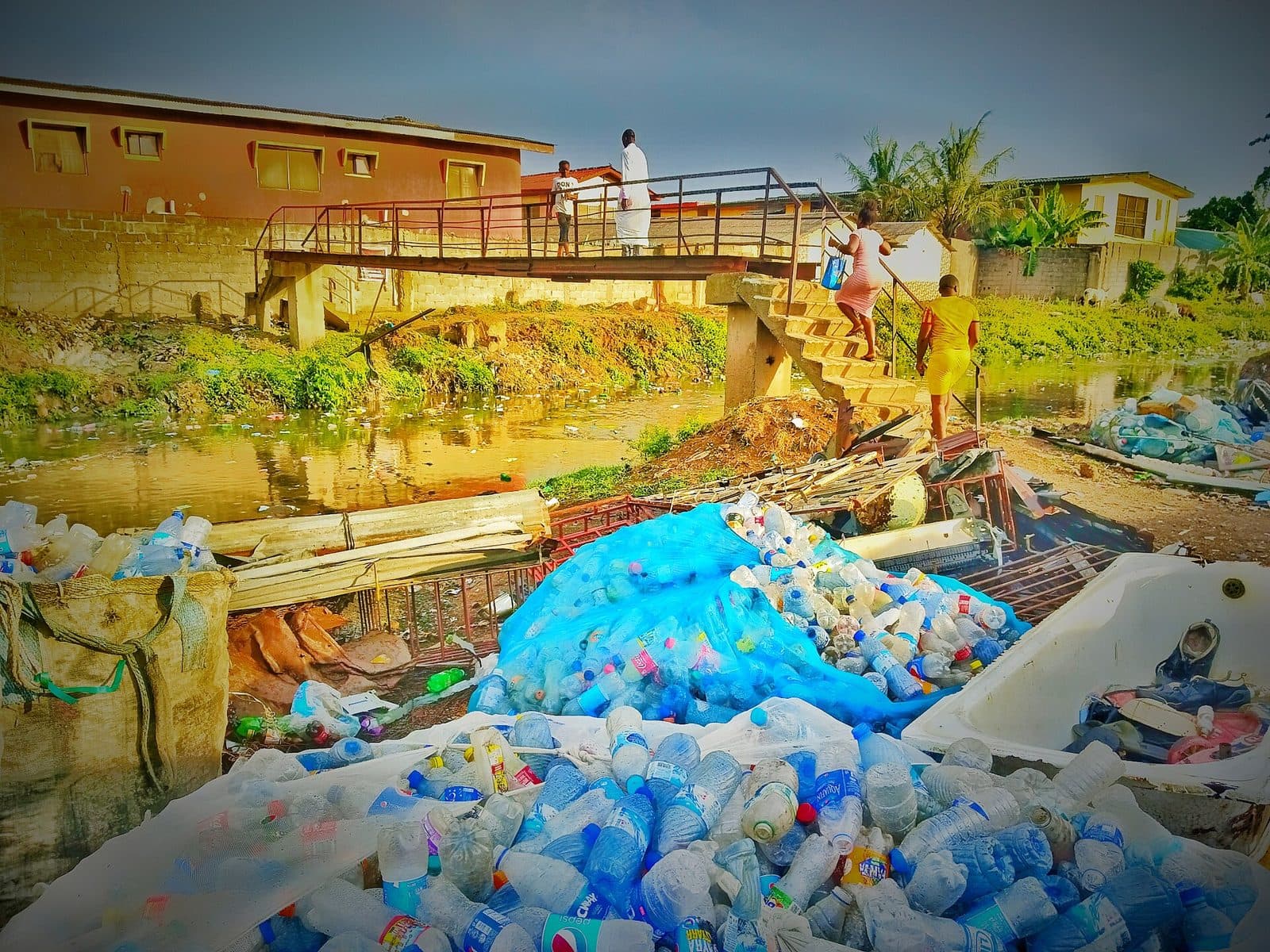
Plastic waste is one of the main causes of blocked drainage in Nigerian cities. In Lagos alone the state environmental agency has put the resulting annual flood losses at around four billion dollars. Every sachet and bottle we take off a street is one that cannot block a drain, and every drain that runs is a street that does not flood.
Burning it does not make it go away
Open burning is still the commonest way plastic disappears from a Nigerian street. It does not disappear. It becomes smoke, and the people who breathe it are usually the children playing nearest to the fire.
Centuries either way
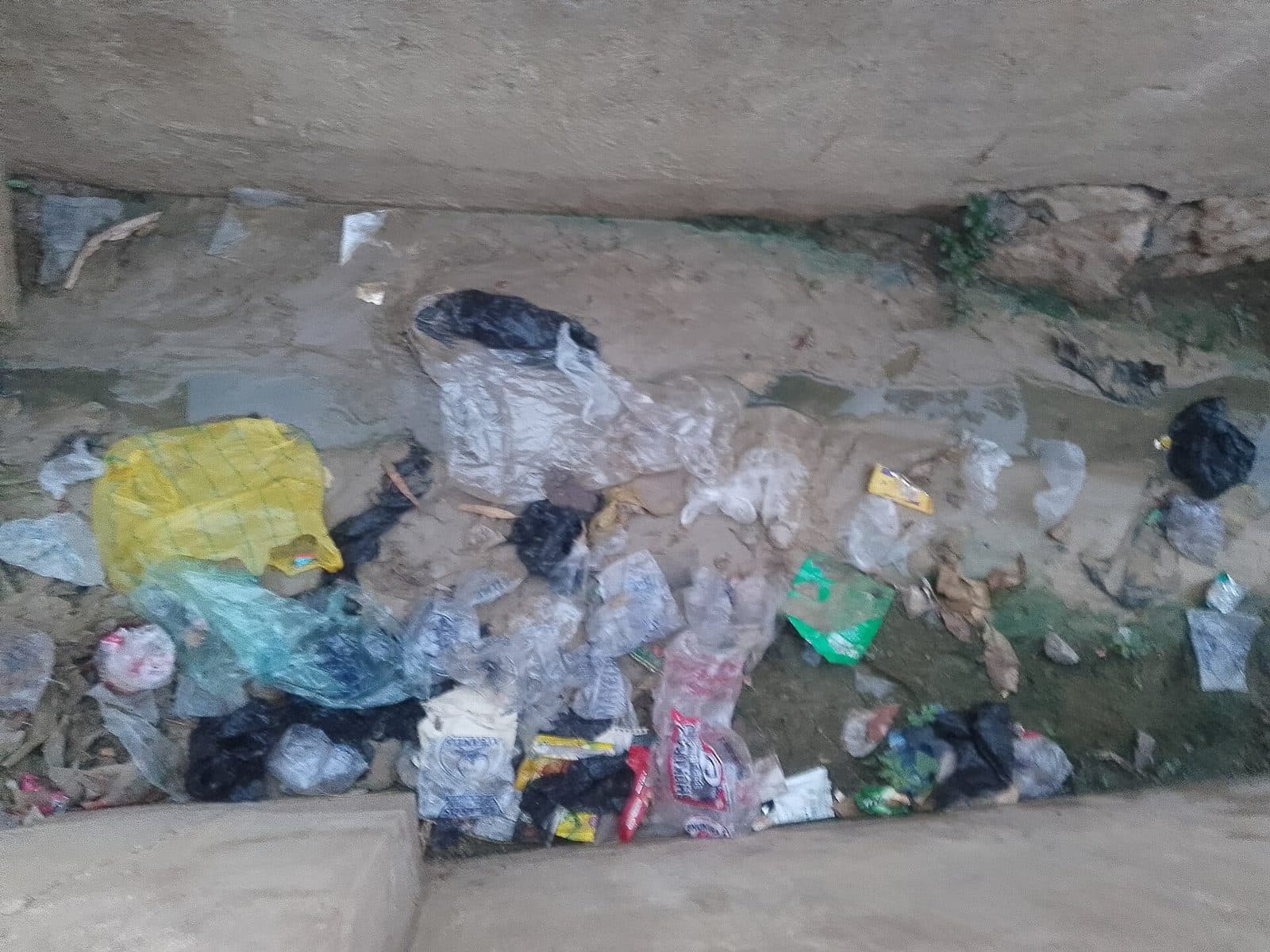
Plastic left in the ground takes centuries to break down. That is the whole case against it as litter, and it is also the case for it as a wall. We are not making plastic last any longer than it already does. We are deciding what it spends those centuries doing: choking a gutter in Ibadan, or holding up a roof over somebody’s family.
Every home is a landfill emptied
A single home takes roughly fourteen tonnes of plastic out of circulation. A classroom takes about six. Our Ibadan plant alone is designed to consume about 2,050 tonnes a year, bought from collectors who are paid by the kilogram.
Bring us your plastic. We pay by the kilogram.
Collectors, cooperatives, estates, schools, churches, hotels and factories, on a contract and at a published rate.